
Table of Contents
- Durable Bridles for Daily Training Sessions: What Actually Lasts
- Durable Leather Horse Bridles vs. Synthetic Horse Bridles
- Horse Bridle Fit Guide for All-Day Comfort
- How to Clean a Leather Bridle So It Lasts
- Hardware and Stitching: Where Bridles Actually Fail
- Matching the Bridle to Your Discipline
- Frequently Asked Questions
Last Updated: October 5, 2026
Durable Bridles for Daily Training Sessions: What Actually Lasts
A bridle that fails mid-session costs you more than money. According to the American Association of Equine Practitioners guidance on tack and equipment safety, ill-fitting or worn tack is a recognized contributor to behavioral resistance and skin trauma in working horses. That is why durable bridles for daily training sessions are not a luxury purchase. They are safety equipment.
At MacRider, we build bridles for riders who school four, five, six days a week.
Durable bridles are headstalls, nosebands, and reins rated for repeated mechanical stress, sweat, and weather exposure.
Durable Leather Horse Bridles vs. Synthetic Horse Bridles
Leather wins on comfort and longevity; synthetic wins on weather resistance and price. The right answer depends on how often your horse sweats and how much rain you ride in.
Material |
Daily Training Suitability |
Lifespan |
Maintenance |
Best For |
|---|---|---|---|---|
Vegetable-tanned leather |
Excellent |
Years with care |
Oil and clean monthly |
All-day wear, competition |
Biothane |
Very good |
Long, low upkeep |
Rinse and wipe |
Wet climates, trail work |
Cotton rope |
Fair for bits |
Short |
Replace when frayed |
Groundwork, not riding |
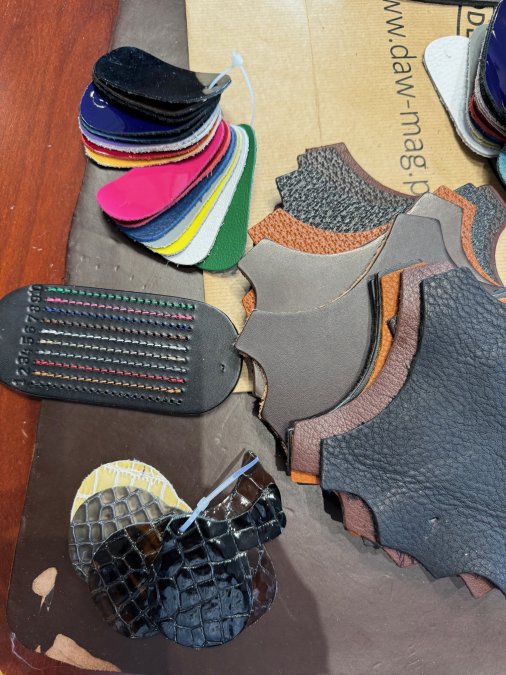
Leather molds to the horse's head, so a well-cared-for leather horse bridle grows more comfortable over time, but it needs a routine or stitching dries and tears under load. Biothane resists sweat and rain without conditioning, making it the practical pick for wet climates. Cotton rope suits groundwork but not riding: it stretches, abrades, and offers no pressure distribution across the poll.
Horse Bridle Fit Guide for All-Day Comfort
Fit is the most underrated durability factor: a pinching bridle gets pulled at, chewed, and rubbed, shortening its life faster than hard riding.
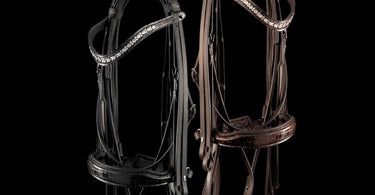
Our Snaffle On Top addresses this: an anatomically shaped headpiece reduces poll pressure, buckles sit on the crownpiece, and the tapered noseband spreads pressure across the facial nerves.

For sensitive ears, the Snaffle Cut Back cuts the crownpiece back around the ears for full range of motion, usually the fix for head-shaking or bridling resistance.

How to Clean a Leather Bridle So It Lasts
Cleaning a leather bridle takes ten minutes and is the highest-return maintenance task you can do: after every heavy sweat, and at minimum weekly during a training block.
The routine:
- Disassemble the bridle fully.
- Wipe every strap with a damp cloth to remove sweat and dirt.
- Work glycerin or saddle soap in with a damp sponge; do not soak it.
- Dry away from direct heat.
- Apply a light conditioner monthly, not weekly, over-oiling softens leather until it stretches.
- Check every buckle, keep, and stitched joint before reassembly.
The American Quarter Horse Association care guidance for leather tack recommends conditioning based on how the leather feels, not on a fixed calendar. Leather that is supple does not need more oil.
While it is apart, inspect for stretched buckle holes, cracked keepers, loose Chicago screws, and lifting stitching, and replace hardware before it fails.
Hardware and Stitching: Where Bridles Actually Fail
Buckles and stitching cause most bridle failures, not the leather itself. Stainless steel buckles resist rust and hold shape under load; cheaper plated hardware flakes and cuts into the strap.
Our Snaffle Dallas was refined over several seasons on our own horses; the noseband sits away from the cheekpieces so it does not press on the nasal bone or facial nerves, meaning less head-shaking and less strain on hardware.

For maximum cushioning, the Snaffle On Top Special adds padding across the headpiece, noseband, and chin closure, while the Snaffle On Top Anatomic Shaped Special Bridle contours the headpiece to mirror the poll.
Every one ships with a bridle bag and matching reins; storing a bridle in a bag rather than on a hook keeps leather out of dust and UV light.
Matching the Bridle to Your Discipline
Training conditions should drive the purchase, not aesthetics.
Discipline |
Priority |
Noseband Style |
Recommended Model |
|---|---|---|---|
Dressage |
Precision and poll relief |
Tapered, no flash |
Snaffle Anatomic |
Jumping |
Stability and quick adjustment |
Tapered or drop |
|
Head-shy horses |
Ear clearance |
Standard |
A drop noseband stabilizes the bit and discourages jaw crossing, suiting horses that get strong in the hand. The Snaffle On Top Special with Drop Noseband pairs that with the padded crownpiece.
The Snaffle On Top with Dallas Noseband combines the On Top crownpiece with the Dallas noseband for horses needing both poll relief and facial freedom.
One honest limitation: these are premium bridles at premium prices. A rider schooling twice a month in fair weather does not need this construction; a rider schooling five days a week in Florida humidity does.
Frequently Asked Questions
What materials make a horse bridle durable?
Durability comes down to material quality and construction. Durable leather horse bridles use full-grain or top-grain cowhide with reinforced stitching at stress points, plus stainless steel buckles that resist rust. Synthetic options like Biothane or coated webbing resist moisture and cracking but can stiffen in cold weather. Check that the headstall, noseband, and cheekpieces have double stitching and that hardware is solid, not hollow. Reinforced construction at the bit loops and crownpiece matters most because those areas take the highest mechanical stress during daily riding.
How often should you clean a bridle used for daily training?
Wipe down the leather after every ride with a damp cloth to remove sweat and dirt, then apply a leather conditioner once a week. Deep clean every four to six weeks using saddle soap and warm water, paying attention to the noseband, cheekpieces, and reins where sweat accumulates. If you ride outdoors in dusty or humid conditions, clean more often. Regular care keeps leather supple, prevents cracking, and extends the working life of the bridle. Synthetic materials need only a rinse and wipe.
How do you check whether a bridle fits your horse?
You should fit two fingers comfortably under the noseband and the crownpiece. The browband should sit flat without pinching the ears, and the cheekpieces should hang straight without pulling the bit up or letting it drop too low. The bit should rest in the mouth with one or two wrinkles at the corners. Watch for chafing or head shaking during work, which signals pressure points. Adjust the noseband so it sits below the cheekbone, not on it, and check fit again after the leather softens with use.