
Table of Contents
- Why Premium Leather Tack Lasts Longer: Hide Grade and Tanning Matter
- Best Leather for Horse Tack and Construction Details
- How to Care for Leather Horse Tack to Maximize Durability
- Frequently Asked Questions
Last Updated: October 11, 2026
Why Premium Leather Tack Lasts Longer: Hide Grade and Tanning Matter
Premium leather tack lasts longer because hide grade and tanning process determine durability, full-grain leather with proper tanning resists cracking and maintains flexibility for decades.
Full-grain leather resists wear because it retains natural oils and fibers that provide strength and flexibility.
Quality tanning bonds chemicals into fibers for durability; rushed tanning leaves leather vulnerable to moisture, heat, and flexing.
Best Leather for Horse Tack and Construction Details
The best leather combines full-grain hide with construction methods protecting stress points; quality tack feels dense and supple.
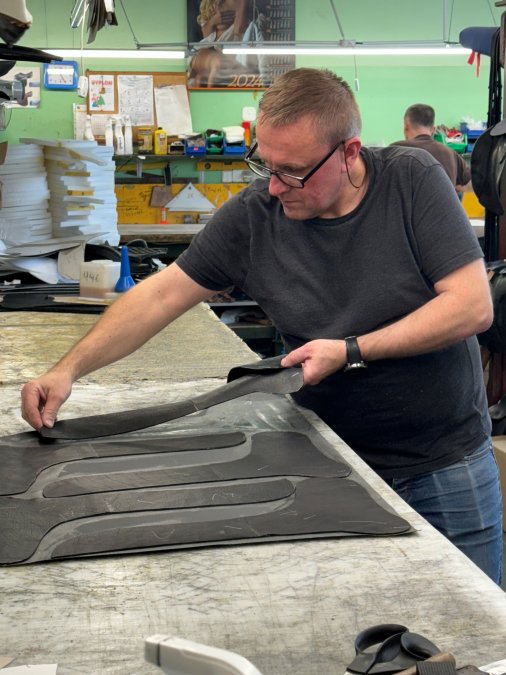
Premium saddles and bridles use reinforced stitching at stress points with double rows of waxed thread to prevent tearing.
Quality padding distributes pressure evenly to reduce wear; budget tack uses thin material that compresses quickly and causes cracking.
Stainless steel or solid brass hardware resists corrosion; cheap hardware rusts and fails. MacRider's stirrup leathers feature stainless steel hardware and heavy-duty webbing cores faced with premium leather tack to prevent friction damage. This commitment to structural integrity mirrors the principles of handmade leather durability that ensure footwear withstands the rigors of daily wear.
How to Care for Leather Horse Tack to Maximize Durability
Proper care transforms premium leather tack into lifetime equipment: remove sweat and dirt after each ride, condition regularly, and protect from extreme heat and humidity.
After every ride, wipe down tack with a damp cloth to remove sweat and dirt; sweat salt accelerates cracking.
Condition leather tack every 4-6 weeks to replace natural oils; use quality products designed for horse equipment.
Store tack in a cool, dry space away from direct sunlight; extreme heat causes shrinkage and cracking, while humidity encourages mold.
Avoid harsh soaps and silicone-based products; use products formulated specifically for horse tack.
Care Task |
Frequency |
Impact |
|---|---|---|
Wipe sweat and dirt |
After each ride |
Prevents salt damage and surface wear |
Condition leather |
Every 4-6 weeks |
Maintains suppleness and prevents cracking |
Inspect for damage |
Monthly |
Catches problems before they spread |
Deep clean |
Quarterly |
Removes buildup that traps moisture |
Premium leather tack requires upfront investment, but proper care ensures it serves serious riders for years. Start with tack built from full-grain leather with reinforced stitching, then commit to a simple care routine for reliable equipment.
Frequently Asked Questions
Why does premium leather tack last longer than budget alternatives?
Premium leather tack lasts longer because it uses full-grain leather from higher-quality hides, undergoes superior tanning processes, and features reinforced stitching at stress points. Full-grain leather retains its natural strength and develops a protective patina over time. Budget tack often uses corrected-grain or split leather, which deteriorates faster under regular use, sweat, and humidity. Premium construction also means thicker leather, better hardware, and tighter stitching that resists wear and tear.
What type of leather is best for horse tack?
Full-grain leather is the best choice for horse tack because it preserves the hide's natural fiber structure and strength. It resists cracking, absorbs and releases moisture evenly, and becomes more supple with proper conditioning. Vegetable-tanned leather also performs well for tack, offering durability and a natural aging process. Avoid corrected-grain or bonded leather for saddles and bridles—these materials lack the structural integrity needed for load-bearing equipment and fail more quickly under regular use.
How often should you condition leather tack?
Condition leather tack every 3-6 months with regular use, or more frequently in humid climates or after heavy sweat exposure. Riders in high-humidity areas should condition every 2-3 months to prevent drying and cracking. After cleaning with a damp cloth, allow the leather to dry completely before applying conditioner. Premium leather products like MacRider's stirrup leathers with deerskin facing respond well to consistent conditioning, maintaining suppleness and extending service life significantly.
Does leather tack need different care than synthetic alternatives?
Yes. Leather tack requires regular cleaning, conditioning, and careful storage to maintain durability and prevent cracking. Synthetic tack needs less maintenance and resists moisture better, but it doesn't develop the same strength or longevity as quality leather. Leather breathes naturally, adjusts to your horse's shape, and improves with age when cared for properly. Synthetic materials can become brittle in heat and UV exposure, while premium leather actually strengthens through proper conditioning and regular use.