
Last Updated: November 8, 2026
Quick Summary
Finding reputable horse sales brokers starts with verifying licensing, references, and written agreements before you view a horse. A trustworthy broker discloses commissions, represents one party only, and puts every term in writing.
- Ask about commission structure, representation, disclosure duties, and what happens if the horse fails a pre-purchase exam.
- Get the fee schedule in writing, including who covers advertising, transport, and stabling.
- Call references and ask whether the horse matched its description and how problems after the sale were handled.
- Never wire a deposit to a broker's personal account; use a documented escrow arrangement or business account.
- Pressure to buy sight unseen, refusal to allow an independent vet, and missing health records are the three loudest warnings.
Table of Contents
- How to Find Reputable Horse Sales Brokers
- Questions to Ask a Horse Sales Broker
- Horse Broker Commission and Fees
- How to Vet a Broker's Credentials and Reputation
- Buyer and Seller Representation and Conflicts of Interest
- Safe Payment, Shipping, and Transaction Documentation
- How to Find Reputable Horse Sales Brokers in Practice
- Red Flags When Buying a Horse Online
- Best Horse Buying Websites and Marketplaces
- Matching Broker to Discipline, Region, and Horse Type
- Frequently Asked Questions
How to Find Reputable Horse Sales Brokers
Finding reputable horse sales brokers starts with verifying licensing, references, and written agreements before you view a horse. A trustworthy broker discloses commissions, represents one party only, and puts every term in writing.
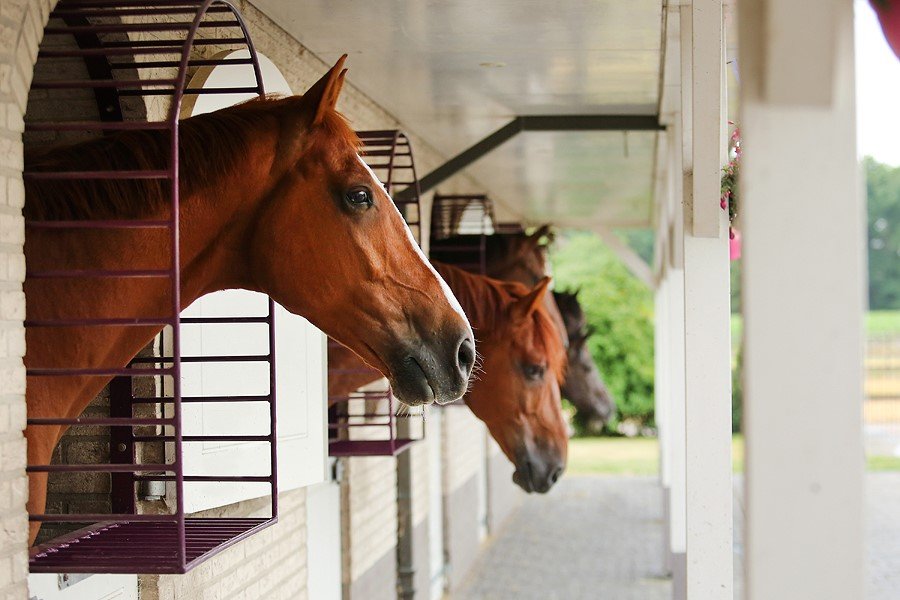
A horse sales broker is a professional who matches buyers and sellers of horses for a commission, handling marketing, showings, and negotiation. Ask for references from recent buyers, confirm liability insurance and association membership, and review the American Horse Council resources before signing.
Questions to Ask a Horse Sales Broker
Ask about commission structure, representation, disclosure duties, and what happens if the horse fails a pre-purchase exam. A broker who insists on their own vet creates a conflict of interest; the American Association of Equine Practitioners lists independent veterinarians you can hire yourself.
Horse Broker Commission and Fees
Horse broker commission typically runs as a percentage of the sale price, though flat and tiered fees exist. Get the fee schedule in writing, including who covers advertising, transport, and stabling.
Fee Type |
Who Typically Pays |
What to Confirm in Writing |
|---|---|---|
Sales commission |
Seller, sometimes split |
Percentage and payment timing |
Pre-purchase exam |
Buyer |
Independent vet of buyer's choice |
Transport |
Buyer |
Carrier, insurance, delivery date |
How to Vet a Broker's Credentials and Reputation
Start with association memberships, then buyer references, trainer networks, and public records. Call references and ask whether the horse matched its description and how problems after the sale were handled. Search public records for litigation, and confirm licensing with your state department of agriculture.
Buyer and Seller Representation and Conflicts of Interest
Dual agency creates a conflict: the broker's commission depends on closing. Ask which side the broker represents, and get it in writing. A broker who knows of navicular changes or a tying-up history has an ethical duty to disclose it.
Safe Payment, Shipping, and Transaction Documentation
Never wire a deposit to a broker's personal account; use a documented escrow arrangement or business account tied to a written purchase agreement. The Federal Trade Commission publishes guidance on avoiding wire transfer fraud. Your agreement should cover price, deposit terms, exam contingency, delivery date, and injury before transport.
How to Find Reputable Horse Sales Brokers in Practice
Reputable brokers surface through networks, not advertisements, trainer recommendations, breed association directories, and show circuit contacts beat search results. Reviewing actual listings, such as an Imitator 6 Yo or Milton 7 Yo, helps you calibrate asking prices and description quality.


Red Flags When Buying a Horse Online
Pressure to buy sight unseen, refusal to allow an independent vet, and missing health records are the three loudest warnings. Any one justifies walking away.
Best Horse Buying Websites and Marketplaces
The best horse buying websites combine searchable listings, seller verification, and clear contact processes. Use marketplaces to build a shortlist, then verify each seller independently before you travel.
Matching Broker to Discipline, Region, and Horse Type
Match the broker to your discipline, budget, and horse type; regional knowledge matters because a broker who knows the local show circuit can point you toward horses with verifiable records. Ask how many horses the broker placed in your discipline last year and whether they can name the trainers involved.
Finding the right broker takes patience, and the wrong saddle undoes months of careful horse shopping. At MacRider, we help riders solve the fit problem with professional saddle fitting and trial services, an exclusive product line built for dressage and jumping, and a professional facility where you can try horses and tack together. Get started with MacRider and ride away with equipment that fits your horse as well as your ambitions.
Frequently Asked Questions
How do I verify that a horse sales broker is reputable?
Ask for references from recent buyers and sellers, then call them. Check whether the broker belongs to a professional association and confirm their state licensing if required. Search their name in equestrian forums and social media groups for complaints. A reputable horse sales broker will provide a written agreement, disclose their commission upfront, and encourage an independent pre-purchase exam rather than pressure you to skip it.
How do horse sales brokers charge commission?
Most horse sales brokers charge a percentage of the final sale price, typically collected from the seller, though some also charge buyers a finder's fee. The horse broker commission should be stated in a written agreement before you view any horse. Ask whether the percentage changes at different price points and whether there are additional charges for marketing, showing, or transport. Get every fee in writing so there are no surprises at closing.
Should I use a broker or buy a horse directly from the seller?
A broker brings screening, negotiation, and transaction paperwork, which helps if you lack local contacts or are shopping remotely. Buying directly can save the commission but puts more verification work on you. Either way, insist on a trial ride and a pre-purchase veterinary exam. If you use a broker, ask who they represent, because a broker working for the seller has different obligations than one representing you as the buyer.
