
Table of Contents
- Step 1: Disassemble and Prep Your New Leather Bridle
- How to Soften a New Leather Bridle and Condition It Evenly
- How Long to Break In a New Bridle and New Bridle Care Before First Ride
- Frequently Asked Questions
Last Updated: October 19, 2026
Step 1: Disassemble and Prep Your New Leather Bridle
Breaking in a new leather bridle starts by taking it apart. A leather bridle is a set of separate straps, and treating each piece individually is the only way to reach every surface.
Here is the order we use:
- Remove the reins from the bit.
- Take off the noseband and browband.
- Slide the cheekpieces free of the crownpiece.
- Lay every strap flat on a clean workbench.
Wipe each piece with a damp sponge to remove dust and factory residue, then let it dry fully. Follow the maker's tag, since bridle leather varies in finish.
How to Soften a New Leather Bridle and Condition It Evenly
Soften a new leather bridle with a thin, even coat of leather conditioner worked in by hand, letting it absorb before adding more. Neatsfoot oil or a cream conditioner works well; avoid olive oil, which darkens leather and turns sticky. Consistent application of these treatments establishes a foundation for proper leather care that preserves the integrity of your equipment for years to come.
Work in small amounts: dip a damp sponge, massage along the grain, and focus on stiff spots, new reins, the noseband, and buckle ends.
Even coverage matters more than a heavy coat. Wipe off excess and hang pieces to dry in open air, away from direct heat.
Never soak the bridle in a plastic bag or bake it in the sun, heat and soaking weaken the finish and invite mildew. If a strap still feels stiff, wait a day and add a second thin layer.
How Long to Break In a New Bridle and New Bridle Care Before First Ride
Plan on three to five days of conditioning and drying before you ride. Reassemble the bridle, hang it overnight, then do a full safety check.
Before the first ride, inspect every strap:
- Check stitching at each buckle end
- Flex the leather to confirm it bends without cracking
- Confirm the noseband sits clear of the cheekpieces
- Test that the browband click/snap system is secure
- Fit the bridle and check bit height
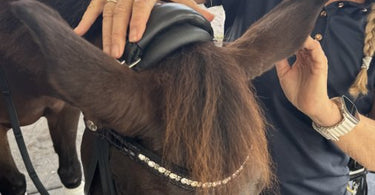
Reapply conditioner only when the leather feels dry, not on a fixed schedule. Our Snaffle On Top arrives with an anatomically shaped, softly padded headpiece and matching reins, so break-in is shorter from day one. If your horse is sensitive around the ears, the Snaffle Cut Back adds extra clearance.


Frequently Asked Questions
Should you oil a new leather bridle before using it?
Not automatically. Many bridle leathers arrive pre-treated, and adding oil to already-supplied leather can leave it sticky, dark, or overly soft. Check the manufacturer's care instructions first. If the leather feels stiff, apply a small amount of leather conditioner or neatsfoot oil to a damp sponge and work it in evenly, wiping off any excess. Avoid soaking the bridle, and let it absorb for several hours before reassembling. Over-oiling weakens stitching and stretches straps, so less is more on a new leather bridle.
How long does it take to break in a new bridle?
Most new leather bridles need about one to two weeks of regular use to feel supple. Plan on a few short rides in the first week, checking for rubs and adjusting fit as the leather softens. Stiffer bridle leather can take three to four weeks. Signs the bridle is ready include flexible reins that bend easily in your hand and straps that curve to the horse's head without pressure points. If a strap still feels rigid after a month, apply a light conditioner and continue riding.
What should you check before riding in a new bridle?
Inspect every strap, buckle, and keeper before the first ride. Flex the leather to confirm it is supple, check stitching for loose threads, and make sure the bit sits level in the horse's mouth. Fit matters: you should fit two fingers under the noseband and cheekpieces, and the browband should not pinch the ears. Reassemble the bridle correctly, hang it to dry fully if you conditioned it, and do a short warm-up ride to spot rubbing before a full session.
Breaking in a bridle takes a few days and a light hand, but the payoff is tack that flexes with your horse instead of fighting it. At MacRider, we build bridles with pressure-relieving headpieces, tapered nosebands, and quick-change browbands so the fit works from the first ride. Browse our bridle line and find the model that suits your discipline.